Young Adult Focus Groups on Best Practices in Mobile News Maps
Mobile devices are ever present in our daily lives. Interacting with maps on these devices is common in many people’s daily routines, from navigating to the store, to checking the weather, to reading the news. While academic cartography has dedicated significant research to mobile reference maps, little attention has been given to mobile thematic maps. While there is plenty of overlap between design decisions made across both of these map types, that also each have unique constraints and purposes. The work which does currently exist primarily focuses on interviews with the people who produce mobile thematic maps, rather than results from user studies.
I conducted a series of focus groups (half with regular news readers, and half with irregular news readers) to assess their preferences when they read news stories that include mobile thematic maps. I assess their preferences via both verbal and artistic means. The study focuses on young adult audiences (18-35) given the potential differences in new-reading strategies across age groups. The results, to be published soon as part of my dissertation research, summarize audience opinions related to interactivity, mobile design, map personalization, and thematic map type.
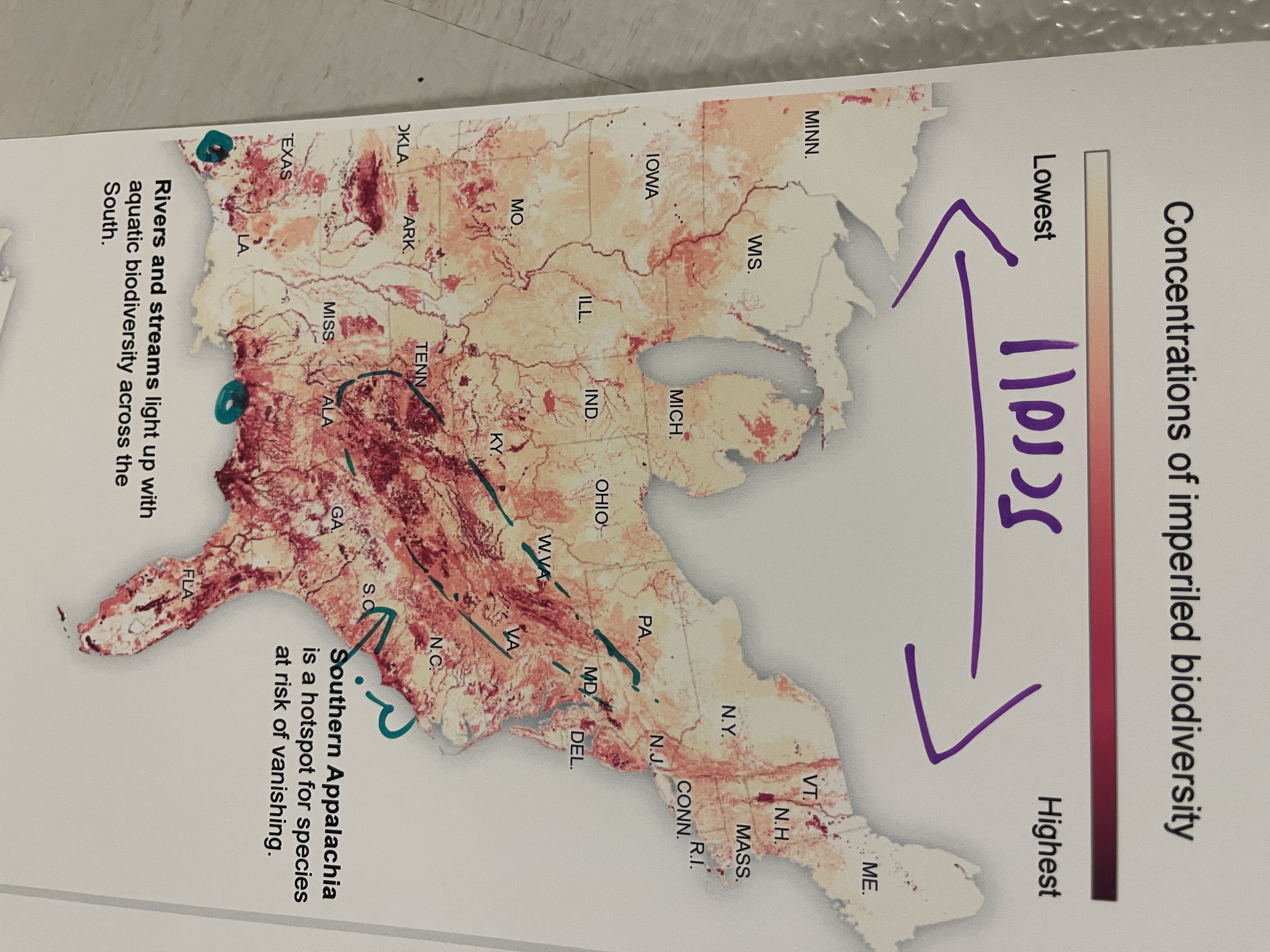
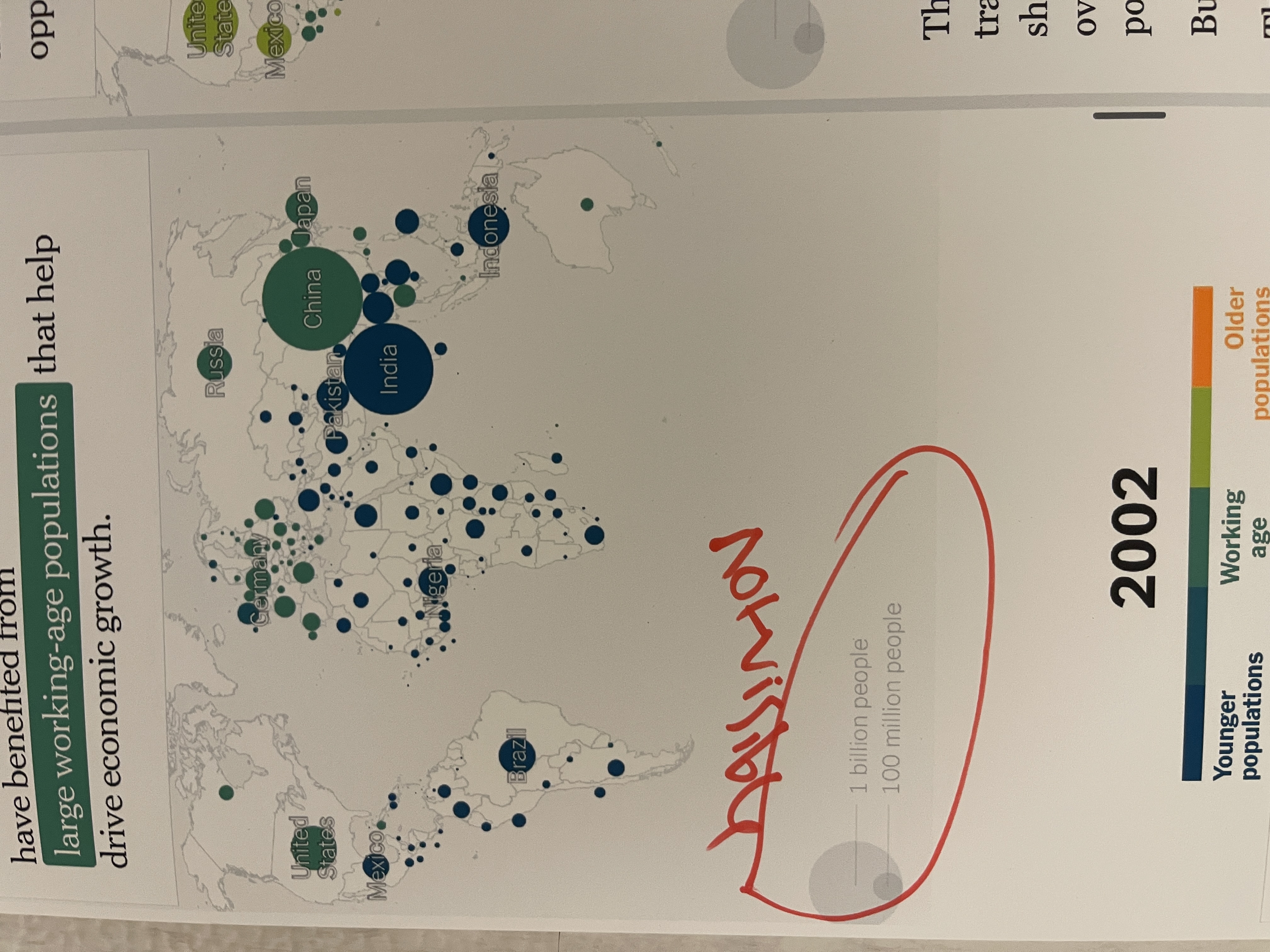
In my focus groups, participants read two map-focused news stories. The stories featured different subjects, levels of interactivity, and scales. Participants began by reading these stories on their phones, but during the discussion portion we used large-format printed maps for group discussion and annotation (often upside-down, see below).
Preliminary results suggest that young adults prefer shorter stories with lots of graphics. They prefer a moderate amount of interactivity - not too much or too little. In particular, they like when the interactive features allow them to learn more about a place that they care about. Young adults often first get the news from social media, but claim to seek out the full stories. They are also very distracted when reading the news and may not read an entire story in one sitting, due to distracting texts and notifications. However, at the same time, many participants indicated that they are trying to spend less time on their phones and mute certain notifications.